About
Our Mission
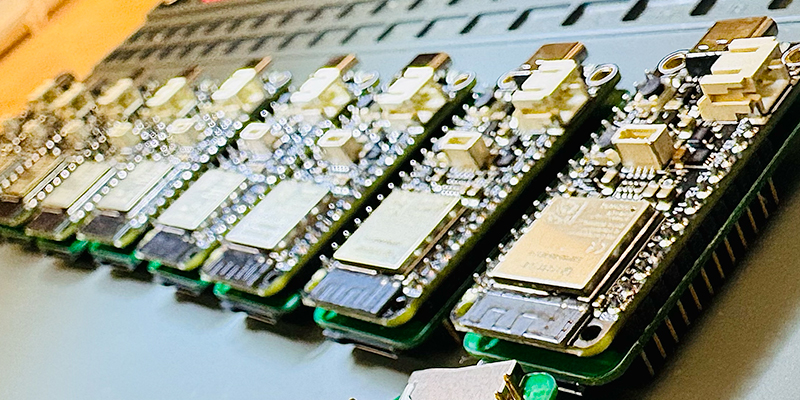
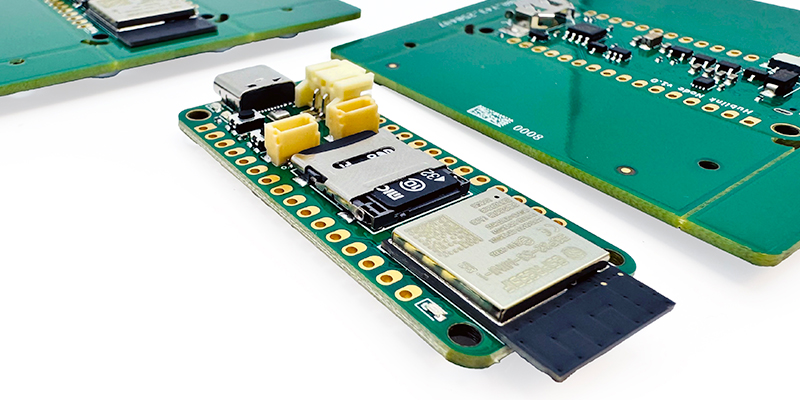
Hublink is revolutionizing data collection by seamlessly connecting memory cards to the cloud. We're building the future of scientific data management, one byte at a time.
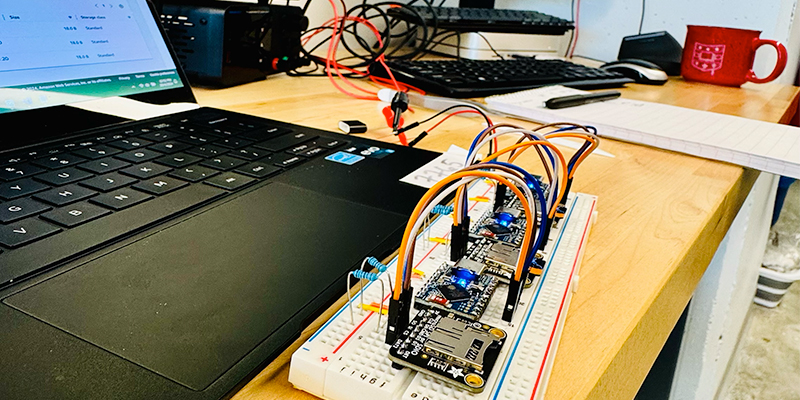
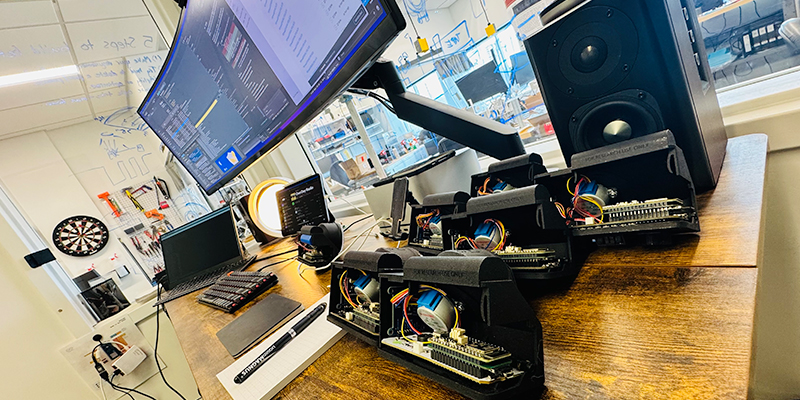
In late 2024, a group of us were gathered in the Neurotech Hub at WashU talking about how to wirelessly sync data from in-cage behavior devices. We observed that previous attempts to perform event-based syncing failed, largely because the data was complex, ever-changing, and experiment-specific.
We started to simplify the problem: what if we could just get files from the SD card on the device to the cloud with minimal interruption and impact to battery life? So that's what we set out to do.
The Neurotech Hub has spearheaded hublink.cloud™ as a platform for all researchers and continues to expand its use in multiple experimental paradigms and domains.
Our Journey

files uploaded to date
as of
Roadmap
Better versioning and cold storage.
We already provide file versioning and cold storage, but we want disaster recovery or unearthing old data to be more intuitive. We also want world-class encryption for sensitive data.
- Add S3 Glacier Deep Archive support for 1-year+ old data with retrieval scheduling
- End-to-end encryption to meet HIPAA and GDPR standards
- Enable point-in-time recovery with 30-day retention window
Streamline interactions and boost efficiency.
We imagine that node devices could be a lot smarter. Not only should every node be commanded individually (with over the air updates) but data diffs for efficient syncing should be implemented.
- Add delta updates to minimize bandwidth for Arduino/ESP32 firmware
- Enable over the air (OTA) updates for node firmware
- Support wake-on-RTC for battery-optimized command scheduling
Faster load times and better analytics.
Hublink can be faster and more intuitive. We are working on making the dashboard more responsive and adding tools for users that give more visibility into their fleet and data.
- Implement server sockets for true real-time dashboard updates
- Add user-driven alerting and notifications
Predict the data that matters most.
We want to integrate AI tools to provide more meaningful insights. This will allow us to do things like automatically generate plots and summaries of the data based on detection of column types or metadata.
- Auto-detect CSV schemas and suggest appropriate visualizations
- Generate automated experiment summaries from metadata tags
Control access and share insights.
Managing teams of researchers and administrators requires granular permissions and the ability to share data efficiently across collaborators.
- Add role-based access control with custom permission sets per project
- Enable secure data sharing through signed URLs with expiration
- Implement audit logs for tracking data access and modifications
Work offline with confidence.
For field research and remote sites, gateways need to function independently while maintaining data integrity and providing local access to critical functions.
- Deploy local web interface for gateway configuration without cloud
- Add store-and-forward queuing with up to 1TB local buffer
- Enable mesh networking between gateways for extended coverage
Join Us on Our Journey
We're always looking for partners and collaborators who share our vision.